The CBE Curriculum in Kenya
Competency-Based Education, formerly CBC, explained: how it is structured, what children learn, how they are assessed, and how we teach it from Playgroup to Grade 9.
Same curriculum, new name
Kenya's Ministry of Education now calls the school system Competency-Based Education (CBE). It is the same curriculum parents have known as the Competency-Based Curriculum (CBC), which replaced 8-4-4. The new name reflects that the reform covers the whole system, including teachers, facilities and funding, not just what is taught.
For your child, nothing about the day-to-day changes. The structure, the learning areas, the way learners are assessed and the national assessments (KPSEA and KJSEA) are the same. This page explains how it all works, and how we teach it at Acacia Ridge from Playgroup to Grade 9.
2-6-3-3-3, stage by stage
| Years | Stage | Grades | Typical ages | At Acacia Ridge |
|---|---|---|---|---|
| 2 | Pre-Primary | PP1–PP2 | 4–5 | Kindergarten (with Playgroup before PP1) |
| 6 | Primary | Grades 1–6 | 6–11 | Primary, day and boarding |
| 3 | Junior Secondary | Grades 7–9 | 12–14 | Junior Secondary, on the same campus |
| 3 | Senior School | Grades 10–12 | 15–17 | Not offered. We guide each learner’s pathway choice |
| 3+ | University, college or TVET | 18+ |
Ages are a guide; placement depends on the grade a child has completed.
Learning areas at each level
Pre-Primary
Activity areas, learnt through play
- Language ActivitiesListening, speaking, pre-reading and pre-writing in English and Kiswahili.
- Mathematical ActivitiesNumbers, counting, shapes, sorting, patterns and early measuring.
- Environmental ActivitiesWeather, plants, animals, hygiene and keeping safe.
- Psychomotor & Creative ActivitiesDrawing, painting, music, movement and the fine-motor skills that come before writing.
- Religious Education ActivitiesSimple stories, songs and values: kindness, sharing and respect.
- Play & social skillsTaking turns, making friends, and the confidence to speak up.
Primary, Grades 1–6
Learning areas
- English & KiswahiliReading, writing, speaking and listening, every single day.
- MathematicsNumber sense first, then fractions, measurement and problem-solving.
- Science & TechnologyHands-on experiments and digital literacy in the computer lab.
- Social StudiesKenya, our community and the world, with real projects.
- Agriculture & NutritionGrowing food on the school farm and learning to eat well.
- Creative ArtsArt, music, drama and physical education.
- Religious EducationValues, character and faith, taught with respect for every family.
- Environmental & Hygiene (Grades 1–3)Health, safety and the world around them in the early grades.
Junior Secondary, Grades 7–9
The nine learning areas
- EnglishReading, writing and grammar for every subject that follows.
- KiswahiliFluent, confident communication in our national language.
- MathematicsAlgebra, geometry and data, taught step by step.
- Integrated ScienceBiology, chemistry and physics, in the lab.
- Pre-Technical StudiesTechnical drawing, materials, tools and safety.
- Social StudiesHistory, geography and citizenship.
- Agriculture & NutritionOn the school farm and in the kitchen.
- Religious EducationValues and ethics for young adults.
- Creative Arts & SportsMusic, art, drama and physical education.
Competency levels, not class positions
EE
Exceeding Expectations
Has mastered the skill and can apply it in new situations.
ME
Meeting Expectations
Has achieved what is expected at this grade.
AE
Approaching Expectations
Is getting there, with some support still needed.
BE
Below Expectations
Needs focused help to reach the expected level.
In class, all term
Teachers assess through projects, practical work, observation and short tests, and record each learner's level for every learning area. This school-based assessment counts, not just end-of-term exams.
KPSEA, end of Grade 6
The Kenya Primary School Education Assessment, run by KNEC, checks how learners are doing as they finish primary. There is no KCPE under CBE.
KJSEA, end of Grade 9
The Kenya Junior School Education Assessment closes Junior Secondary. Together with school-based assessment, it informs each learner's placement in Senior School.
Three pathways to choose from
STEM
Science, Technology, Engineering and Mathematics: for learners heading towards medicine, engineering, computing, agriculture and the technical trades.
Social Sciences
Languages, humanities and business: for learners drawn to law, education, media, business and public service.
Arts & Sports Science
Performing and visual arts and sports science: for creative and sporting talent, developed as a serious career path.
Where Junior Secondary comes in
The pathway a learner takes in Grade 10 is shaped by their interests and their performance in Grades 7–9. That makes Junior Secondary the years that matter most. At Acacia Ridge, pathway guidance is built into every term of Junior Secondary.
What changed from the old system
| 8-4-4 | CBE (formerly CBC) | |
|---|---|---|
| Structure | 8 years primary, 4 secondary, 4 university | 2 Pre-Primary, 6 Primary, 3 Junior Secondary, 3 Senior School, 3+ tertiary |
| Focus | Covering content and passing exams | Skills and values a child can use: communication, problem-solving, creativity, digital literacy |
| Reporting | Marks, grades and class positions | Four competency levels (EE, ME, AE, BE) for each learning area |
| Assessment | Mostly one high-stakes exam (KCPE, then KCSE) | Continuous classroom assessment plus KPSEA (Grade 6) and KJSEA (Grade 9) |
| After primary | Form 1 placement by KCPE score | Junior Secondary from Grade 7, then a Senior School pathway from Grade 10 |
| Parents | Mainly report cards and exam results | More involved: projects, portfolios and regular feedback on progress |
How we teach it
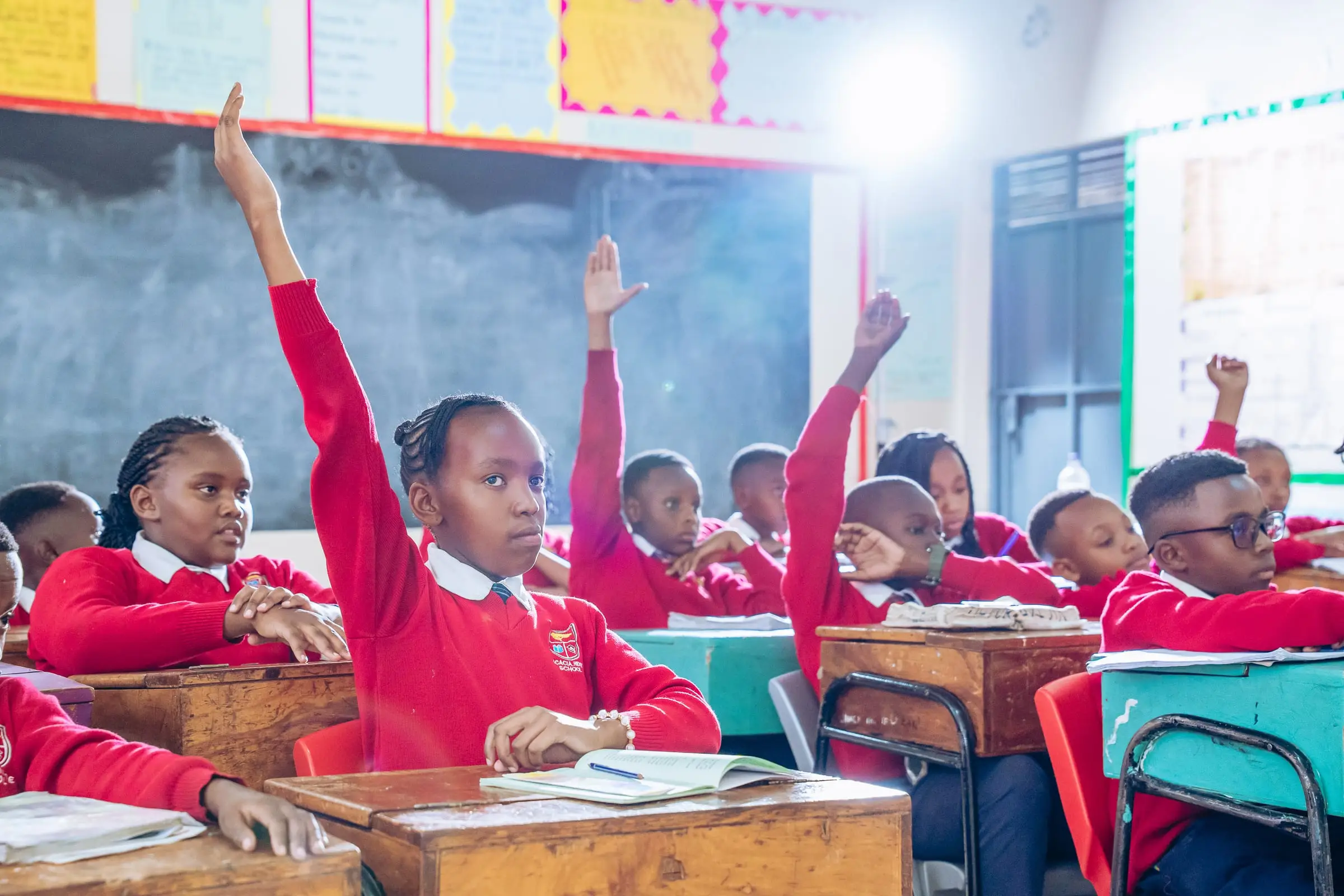
Classes of about 25
CBE depends on a teacher noticing each child. Small classes make continuous assessment real, not a box-ticking exercise.
TSC-registered teachers
Every teacher is registered with the Teachers Service Commission, with ECDE-trained teachers in Kindergarten and subject specialists from Grade 7.
Progress tracked all term
We track each learner against every learning area through the term, so a child who is slipping gets help in week three, not after the report card.
Labs for Junior Secondary
Integrated Science and Pre-Technical Studies are taught hands-on, in science labs, a computer lab and workshop space.
Pathway guidance from Grade 7
Learners and parents get guidance every term on strengths and interests, ahead of choosing a Senior School pathway.
Published results
82% of our learners were Exceeding Expectations in the 2025 KPSEA.
More for parents: preparing your child for Junior Secondary, what facilities a JSS should have and what to look for in a CBE boarding school.
CBE and CBC: common questions
What is the difference between CBC and CBE?
They are the same curriculum. Competency-Based Education (CBE) is the name the Ministry of Education now uses for what was called the Competency-Based Curriculum (CBC). The new name covers the wider system, including teachers, facilities and funding, not just what is taught. The 2-6-3-3-3 structure, the learning areas and the national assessments (KPSEA and KJSEA) stay the same.
Is Acacia Ridge a CBE school?
Yes. We teach CBE from Playgroup and Pre-Primary through Primary (Grades 1–6) and Junior Secondary (Grades 7–9), and we are registered with the Ministry of Education. Day and boarding places are available, with boarding from Grade 4.
What does 2-6-3-3-3 mean?
It is the length of each stage: 2 years of Pre-Primary (PP1 and PP2), 6 years of Primary (Grades 1–6), 3 years of Junior Secondary (Grades 7–9), 3 years of Senior School (Grades 10–12) and at least 3 years of university or college.
How are learners graded under CBE?
Instead of marks and positions, teachers report how well a learner has mastered each skill on four levels: Exceeding Expectations (EE), Meeting Expectations (ME), Approaching Expectations (AE) and Below Expectations (BE). Much of the assessment happens in class through the term, not only in end-of-term exams.
What national exams do learners sit under CBE?
KNEC runs the Kenya Primary School Education Assessment (KPSEA) at the end of Grade 6 and the Kenya Junior School Education Assessment (KJSEA) at the end of Grade 9. Results from these, together with school-based assessments, are used to place learners in Senior School. There is no KCPE under CBE.
What are the Senior School pathways?
From Grade 10, learners follow one of three pathways: STEM (Science, Technology, Engineering and Mathematics), Social Sciences, or Arts and Sports Science. The choice is guided by the learner's interests and their performance in Junior Secondary. At Acacia Ridge, pathway guidance runs through every term of Grades 7–9.
Does my child have to change schools for Junior Secondary?
Not at Acacia Ridge. Junior Secondary (Grades 7–9) is on the same campus as our Primary school, with its own science labs, computer lab and subject teachers, so learners move up from Grade 6 without changing schools.
Come see the difference.
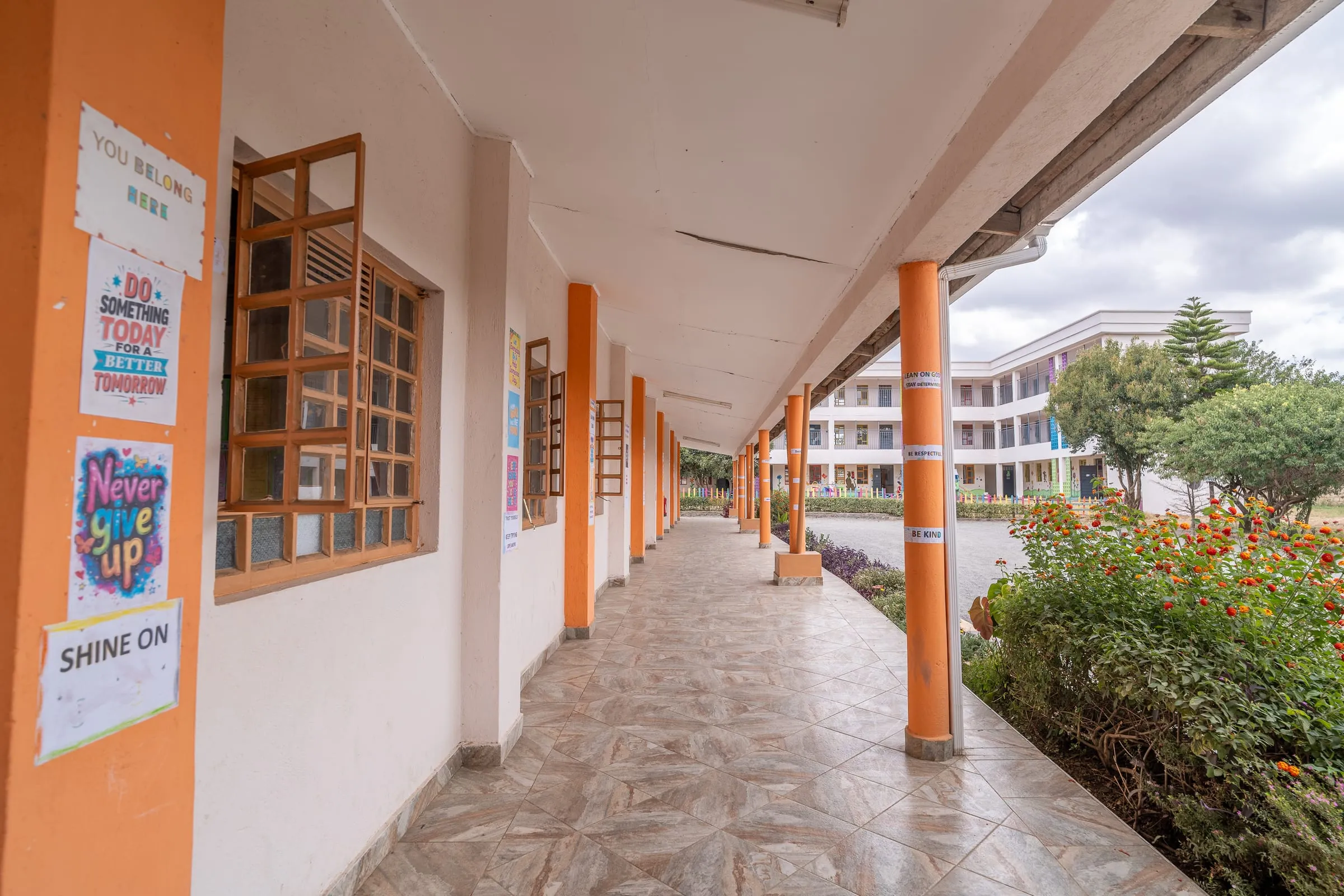
Walk our classrooms, meet our teachers and see the boarding facilities. Our next open day date is coming soon. Until then, book a private visit any weekday.
The next chapter starts here.
Come walk the campus, meet our teachers, and see the environment your child could soon call home.
Admission fee waived for boarding places confirmed before the deadline. Limited places.